Why Choose Composite Doors for Your Home Improvement Needs?
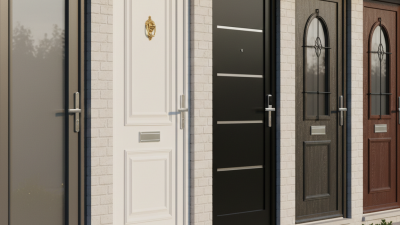
When considering home improvement, the choice of doors is crucial. Composite doors offer a blend of style and functionality. They provide striking aesthetics that can elevate any home's appearance. Made from various materials, composite doors are known for their durability and energy efficiency.
Unlike traditional wooden or uPVC doors, these doors resist warping and fading. This makes them a practical long-term investment. Their design allows for a wide range of styles and colors, ensuring they fit your home’s character. However, some may find the initial cost higher than other options.
It's essential to weigh the benefits against the investment. Composite doors not only enhance curb appeal but also improve security. Their robust structure offers better protection against break-ins. This makes them a reliable choice for homeowners seeking safety without compromising on style.
Benefits of Composite Doors in Home Design and Aesthetics
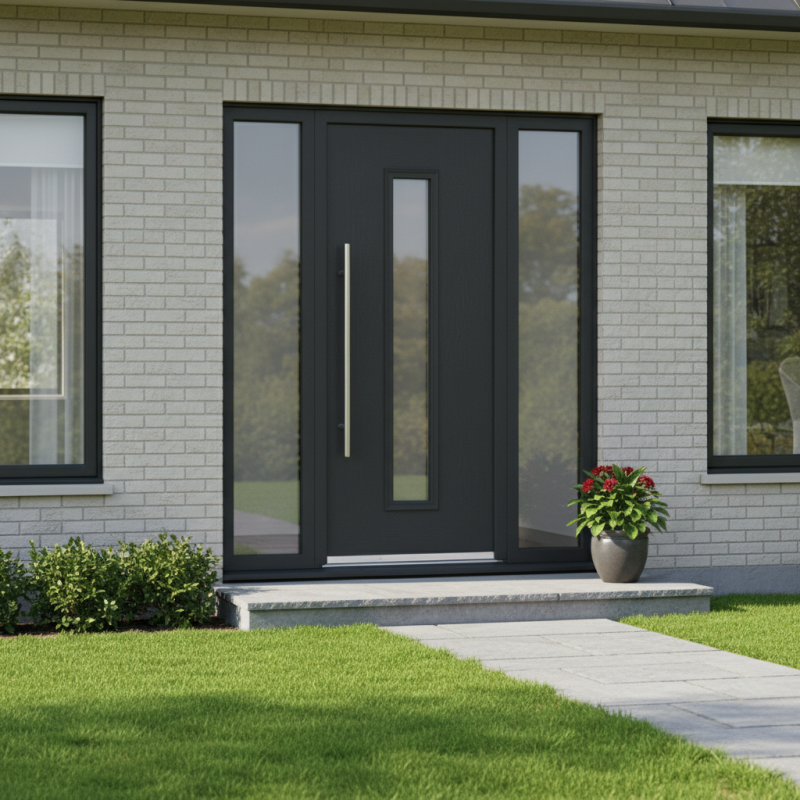
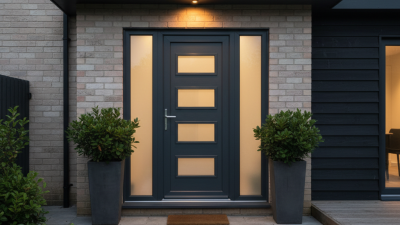
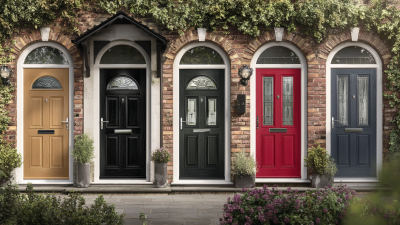
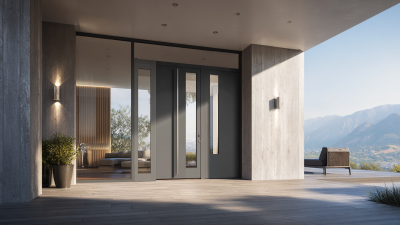
Composite doors are becoming increasingly popular in home design due to their numerous aesthetic benefits. These doors combine several materials to create a visually appealing yet functional entryway. Their diverse styles and colors can fit any home decor. Whether you prefer a traditional or modern look, composite doors offer the flexibility to enhance your home’s aesthetic.
When selecting a composite door, consider the color and finish that complements your existing architecture. A bold color can make your entrance stand out, while a neutral tone can create a seamless blend. Remember, the door is often the first thing visitors see. It should reflect your home's character.
Tips for choosing composite doors include reviewing the design options available. Don't shy away from unique patterns or textures. They can add depth and interest to your facade. Also, keep durability in mind; a well-chosen composite door can resist weather conditions, though some finishes may require more maintenance than others.
Evaluate the value added by enhanced security features. A beautifully designed door should not only look good but also offer robust protection. Ensure your choice doesn’t compromise safety for aesthetics, as reflections of poor decisions can haunt your investment.
Durability and Maintenance Advantages of Composite Doors
Composite doors are an excellent choice for home improvement, especially regarding durability and maintenance. Unlike traditional wood doors, composite doors resist warping, swelling, and cracking. According to a report by the Door and Window Manufacturers Association, composite doors can last up to 35 years with minimal maintenance. This lifespan is appealing for homeowners looking for long-term solutions.
Maintenance is straightforward with composite doors. They require occasional cleaning with soapy water and a soft cloth. No repainting or sealing is necessary, unlike wood doors that demand regular upkeep. A recent study indicated that homeowners save approximately 50% on maintenance costs with composite materials. They also come with advanced security features, making them a safer option.
While composite doors offer many benefits, they can be more expensive upfront. Some homeowners might question their investment. However, considering the potential savings on repairs and replacements, the long-term benefits outweigh initial costs. It’s essential to evaluate your specific needs and budget before making a decision. Each home is different, and what suits one may not suit another.
Why Choose Composite Doors for Your Home Improvement Needs?
| Feature |
Composite Doors |
Traditional Doors |
| Durability |
Highly durable, resistant to warping, cracking, and peeling |
Can warp or crack over time |
| Maintenance |
Low maintenance; easy to clean and maintain |
Requires regular painting and maintenance |
| Weather Resistance |
Excellent resistance to severe weather conditions |
Vulnerable to extreme weather and moisture |
| Energy Efficiency |
Good insulation properties, helps in energy saving |
Less energy efficient, may require added insulation |
| Aesthetic Options |
Available in various styles, colors, and finishes |
Limited design options compared to composites |
Energy Efficiency and Insulation Properties of Composite Doors
Composite doors are increasingly popular for home improvement projects. One reason is their remarkable energy efficiency. Unlike traditional wooden or metal doors, composite doors feature a highly effective insulation core. This core minimizes heat transfer, keeping your home warm during winter and cool in summer.
The design also plays a vital role in energy savings. Many composite doors include multiple layers of materials that enhance their insulating properties. This reduces the workload on your heating and cooling systems. A well-insulated door can lower energy bills, making it a smart investment.
However, not all composite doors are created equal. It’s essential to choose one that meets high energy efficiency standards. Homeowners should be wary of cheaper options that may not perform well over time. Poor insulation can lead to drafts and higher energy costs. Researching and understanding specifications will ensure you select a door that truly enhances your home’s energy efficiency.
Energy Efficiency and Insulation Properties of Composite Doors
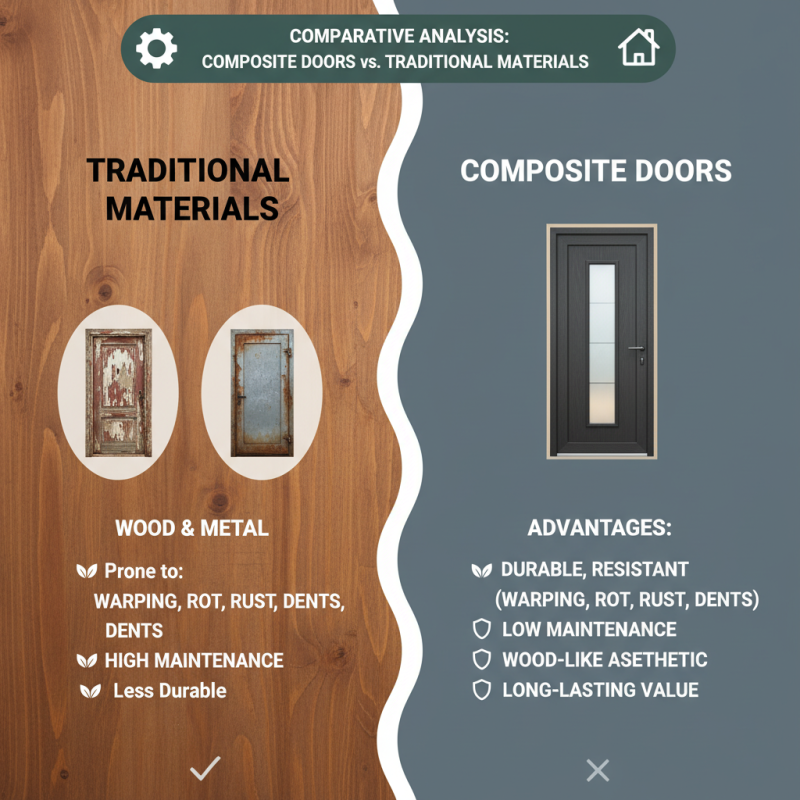
Comparative Analysis: Composite Doors vs. Traditional Materials
When considering home improvement, composite doors stand out against traditional materials like wood and metal. They offer durability and low maintenance. Composite doors resist warping and rotting, issues that commonly plague wooden doors. Unlike metal, they do not rust or dent easily. They can mimic the aesthetics of traditional wood, providing the best of both worlds.
Opting for composite doors means less hassle over time. They often come with a high energy efficiency rating. This helps in reducing energy bills, making them a long-term investment. However, not all composite doors are created equal. Quality can vary significantly across brands. Always do thorough research before making a purchase.
Tips: Consider the climate you live in. An area with extreme weather may require specific door features. Checking customer reviews can also provide valuable insights. Look for installation services that ensure proper fitting and alignment. This can prevent future issues such as air leaks or misalignment, which can arise from improper installation.
Cost Considerations and Value of Composite Doors for Homeowners
Composite doors offer a compelling blend of cost efficiency and durability for homeowners. A recent industry report highlights that composite doors can reduce annual energy bills by up to 10%. This saves an average of $200 annually, making them a sound investment. Their insulation properties surpass traditional wooden or metal doors, providing a more stable indoor environment.
Many homeowners face the dilemma of upfront costs versus long-term savings. While composite doors may have a higher initial price, they often last longer, reducing replacement costs. Industry statistics show that these doors can last over 30 years with minimal maintenance. This longevity means less frequent repairs, which can add up over time.
Consumers sometimes overlook the aesthetic value in cost considerations. Composite doors come in various styles and finishes. They can mimic the look of wood without the drawbacks. In fact, a survey indicated that 70% of homeowners prioritized aesthetics when choosing doors. A well-chosen composite door enhances curb appeal and can increase property value significantly.