How to Build a Solid Roof Conservatory for Maximum Comfort and Style
Creating a solid roof conservatory is an excellent way to enhance your living space while ensuring maximum comfort and style. This type of conservatory offers the perfect blend of durability and aesthetic appeal, transforming the traditional concept of a glass-roofed extension into a cozy sanctuary that can be enjoyed throughout the year. With a solid roof, homeowners can benefit from better insulation, reduced glare from sunlight, and a significantly improved overall atmosphere, making the space more inviting and usable regardless of the weather conditions outside.
In this article, we will explore the essential components of building a solid roof conservatory, highlighting key considerations that will help you design a beautiful and functional space tailored to your lifestyle. From the initial planning stages to selecting the right materials, we will provide insights into how to ensure your conservatory not only meets your aesthetic desires but also serves as a practical area for relaxation, entertainment, or family gatherings. Ultimately, a well-constructed solid roof conservatory can become a cherished part of your home, providing an inviting atmosphere that harmonizes with the surrounding environment and enhances your everyday living experience.
Choosing the Right Design and Style for Your Roof Conservatory
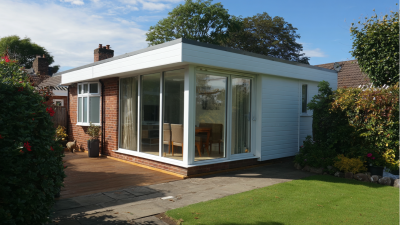
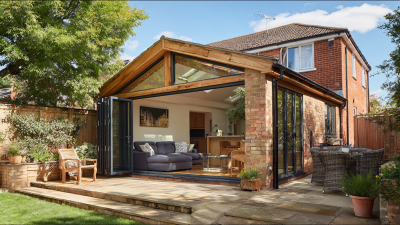
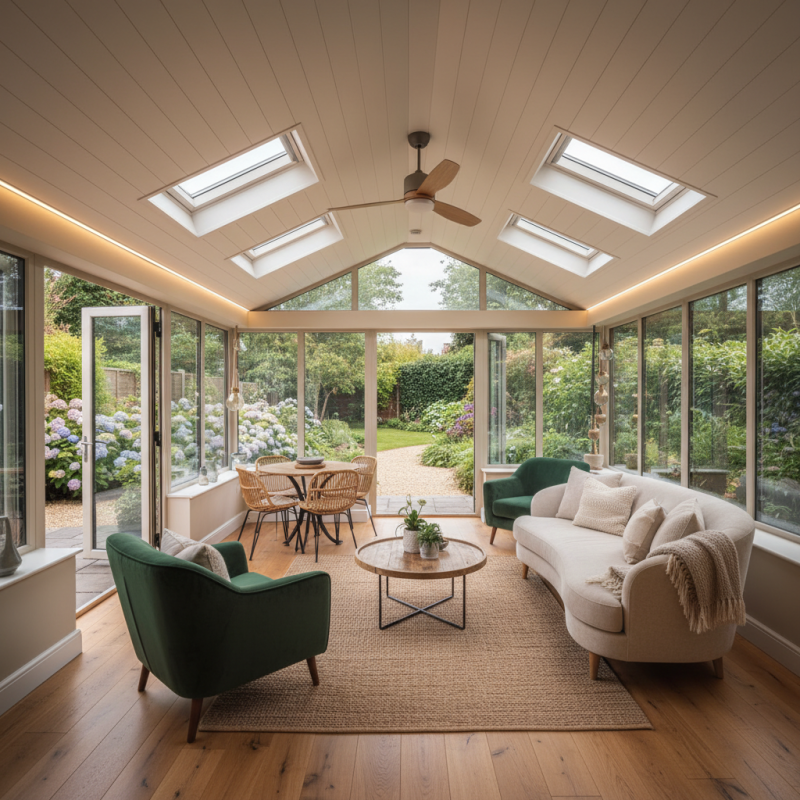
When choosing the right design and style for your roof conservatory, it’s essential to consider both the aesthetic appeal and functional requirements. The style of your conservatory should complement the existing architecture of your home, whether it be contemporary, traditional, or a hybrid. Popular options include gable, lean-to, and lantern roofs, each offering unique benefits. A gable roof, for instance, provides a dramatic sense of space and can maximize natural light, making it ideal for a bright, airy atmosphere. On the other hand, a lean-to roof is more understated and works well in limited space while still providing abundant light.
Beyond the structural design, the choice of materials plays a pivotal role in the overall style of your conservatory. Opting for energy-efficient glass and sturdy frames can enhance both durability and comfort. Additionally, selecting colors and textures that harmonize with your home can help the conservatory seamlessly integrate into the overall landscape of your property. Remember that lighting also matters; consider the incorporation of skylights or strategically placed windows to enhance both the aesthetics and functionality of the space. By thoughtfully combining these elements, you can create a roof conservatory that is not only a stylish addition to your home but also a comfortable retreat.
Selecting Suitable Materials for Maximum Durability and Insulation
When it comes to building a solid roof conservatory, the choice of materials significantly influences both durability and insulation. According to industry reports, using high-quality materials can improve energy efficiency by up to 30%, reducing heating costs and enhancing comfort. Polycarbonate panels, for example, offer excellent insulation properties while being lightweight and affordable. On the other hand, double-glazed glass is ideal for those willing to invest more in ensuring thermal efficiency and noise reduction.
Tips: To maximize insulation, opt for materials with a low U-value, which indicates better thermal performance. Combining various materials can also enhance the overall strength and design flexibility of the conservatory. For example, using a solid tiled roof can provide a contemporary look while improving energy efficiency compared to traditional glass roofs.
Furthermore, consider the long-term maintenance of the materials you select. Choosing UV-resistant materials can prevent fading and damage, prolonging the lifespan of your conservatory. Research suggests that materials treated with protective coatings can last significantly longer, minimizing repair costs over time.
Tips: Always review manufacturer specifications and customer testimonials to ensure that your material choices will withstand local weather conditions. Proper installation is equally critical—ensure that insulation layers are correctly fitted to avoid gaps that could lead to energy loss.
Roof Conservatory Material Comparison
This bar chart illustrates the R-Values, or thermal resistance, of various materials suitable for building a roof conservatory. Higher R-Values indicate better insulation, contributing to comfort and energy efficiency.
Ensuring Proper Ventilation and Light Management in Your Conservatory
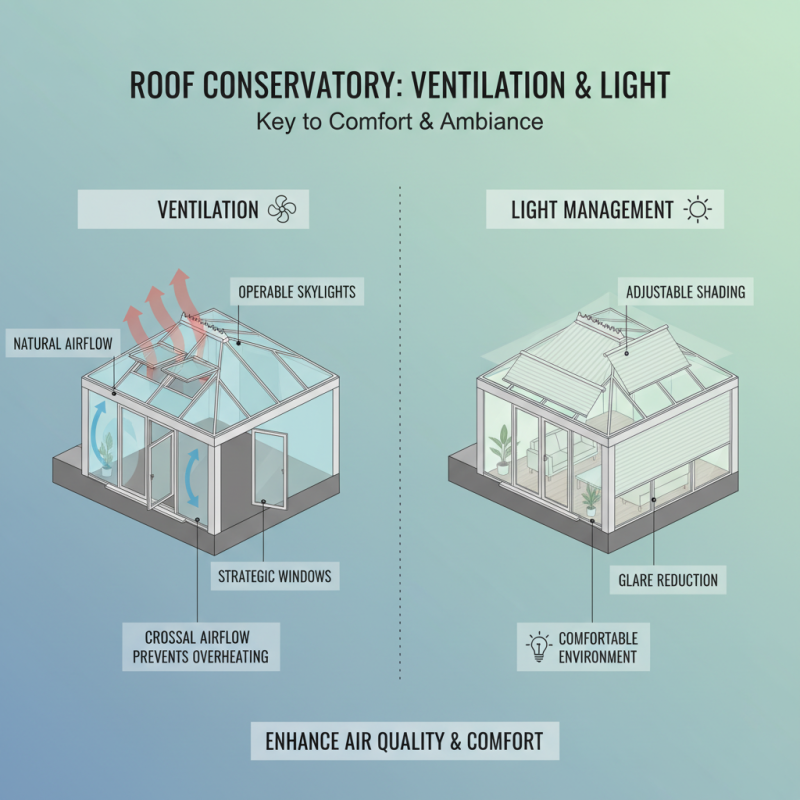
When building a roof conservatory, ensuring proper ventilation and light management is crucial for maintaining a comfortable and inviting environment. One effective way to enhance ventilation is by incorporating operable skylights or windows. These features allow warm air to escape and promote a natural airflow, preventing the space from overheating during warmer months. Strategically placing these openings can create a cross-ventilation effect, further improving air quality and overall comfort.
Light management is equally important in a conservatory, as achieving the right balance of natural light can influence the space's ambiance and functionality. Utilizing adjustable shading solutions, such as retractable blinds or solar shades, helps control the amount of sunlight entering the conservatory. This not only protects furnishings from UV damage but also allows you to adapt the light levels according to different activities. Combining these elements thoughtfully ensures a harmonious blend of comfort and style, making your conservatory a delightful retreat year-round.
Implementing Effective Heating and Cooling Solutions for Comfort
When designing a conservatory, achieving the perfect balance of heating and cooling is essential to create a comfortable environment for year-round use. One effective solution is to incorporate thermal insulation into the roof design. Utilizing materials with high insulation properties can help maintain a stable indoor temperature, preventing excessive heat in the summer and retaining warmth during colder months.
Tips: Consider installing double or triple-glazed roof panels to enhance energy efficiency. These panels reduce heat transfer, ensuring your conservatory remains comfortable regardless of the weather outside. Additionally, using reflective coatings can minimize heat absorption from sunlight without compromising natural light.
To further improve climate control, integrating underfloor heating can provide a pleasant warmth that circulates throughout the space. It not only keeps the conservatory cozy in winter but also frees up wall space, allowing for more flexibility in your interior design. Conversely, strategically placed ceiling fans can aid in cooling during warmer months, promoting air circulation and enhancing comfort.
Tips: Invest in programmable thermostats for your heating and cooling systems. These allow you to set specific temperatures at different times, ensuring efficiency while maximizing comfort in your conservatory.
Finishing Touches: Decorating and Furnishing Your Roof Conservatory
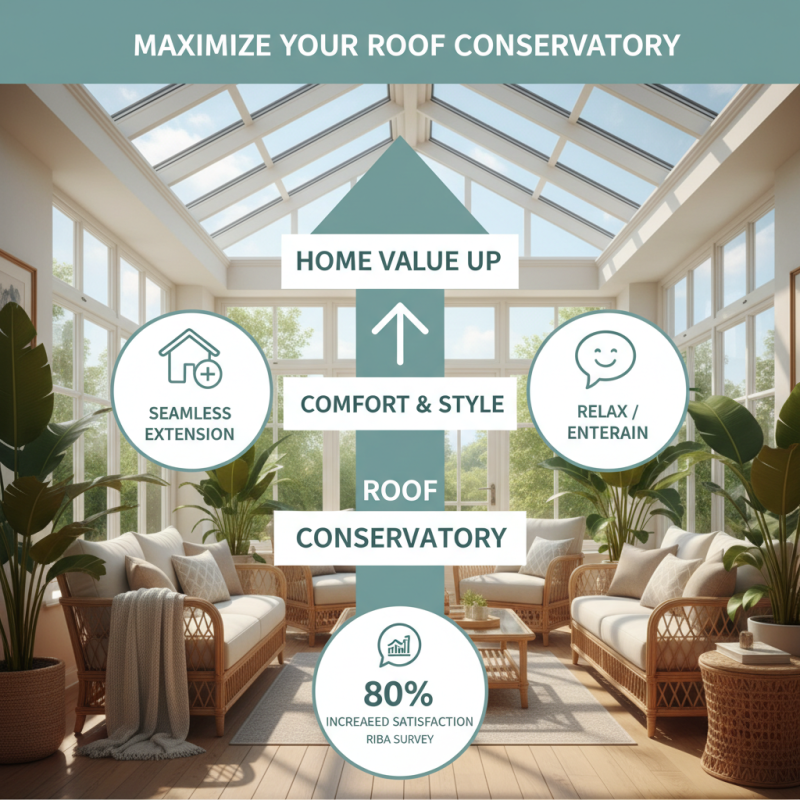
When it comes to decorating and furnishing your roof conservatory, maximizing both comfort and style is key. A well-designed conservatory can serve as a seamless extension of your home, providing a beautiful space to relax or entertain. According to a recent survey by the Royal Institute of British Architects (RIBA), 80% of homeowners report increased satisfaction in their property’s overall value when investing in stylish conservatory spaces.
Incorporating natural elements, such as potted plants and wooden furniture, can enhance the ambiance of your conservatory while ensuring a cozy environment. Opt for light, breathable fabrics for cushions and curtains that allow natural light to flow in, creating an airy feel. When furnishing, consider multifunctional pieces that can adapt to your needs, as well as carefully selected accessories like rugs or throw pillows that add texture and warmth.
**Tips:** Choose color palettes that complement the natural light, such as soft greens or subtle earth tones. Additionally, investing in energy-efficient glazing can help maintain a comfortable indoor climate throughout the year. Incorporate lighting that can be easily adjusted to match different occasions—dimmed options for a relaxed evening or brighter lights for lively gatherings. By paying attention to these finishing touches, your roof conservatory can become a stylish haven that resonates with both comfort and functionality.